


Menopause is a natural phase in a woman’s life, typically occurring between the ages of 45 and 55, marking the end of menstrual cycles. While it’s a normal biological process, the transition can bring about various symptoms, with hot flashes being among the most common and disruptive.
Understanding menopause hot flashes symptoms, their triggers, and exploring both conventional and alternative treatments, especially through the lens of Traditional Chinese Medicine (TCM), can offer valuable insights for those navigating this stage.
What Are Hot Flashes?
Hot flashes are sudden, intense feelings of heat that can engulf the upper body, particularly the face, neck, and chest. They often come on rapidly, sometimes accompanied by a flashed appearance and sweating, followed by chills as the episode subsides.
The exact cause isn’t entirely understood, but it’s generally attributes to the inconsistently declining levels of estrogen during menopause.
This is a vasomotor effect, which messes up the body’s temperature regulation, resulting in these episodes.
Symptoms of Hot Flashes

The experience of hot flashes can vary widely among women, but common symptoms include:
- Sudden Warmth: A rapid onset of heat spreading through the upper body.
- Flashing: Reddening of the skin, especially on the face and neck.
- Sweating: Profuse perspiration, which can be particularly troublesome at night (night sweats), potentially disrupting sleep.
- Chills: A sensation of coldness following the heat as the body cools down.
- Heart Palpitations: An increased heart rate or a pounding heartbeat.
- Anxiety: Feelings of unease or anxiety during the episode.
Each hot flash can last from a few seconds to several minutes and may occur multiple times a day or only occasionally.

Triggers of Hot Flashes

Identifying and managing triggers can help in reducing the frequency and severity of hot flashes. Common triggers include:
- Dietary Choices: Spicy foods, caffeine, and alcohol are known culprits.
- Environmental Factors: Warm temperatures, hot weather, or overheated rooms can precipitate episodes.
- Stress: Emotional stress or anxiety can trigger hot flashes.
- Smoking: Tobacco use has been linked to increased hot flashes.
- Clothing: Tight or restrictive clothing may contribute to discomfort.
Read more: Menopausal Urinary Incontinence: How TCM Can Help (2025 Edition)
Diagnosing Hot Flashes
Diagnosing hot flashes typically involves a discussion with your gynecologist or TCM pbysician about the symptoms being experienced.
They may ask about the frequency, duration, and severity of the episodes, as well as any associated factors or triggers.
At the gynecologist, you will likely be given a blood test to check on hormone FSH levels.
Treatments Available for Hot Flashes

There are several approaches to managing hot flashes, ranging from lifestyle modifications to medical treatments:
Hormone Replacement Therapy (HRT):
This involves taking estrogen to compensate for the body’s decreasing levels during menopause.
While effective for many women, HRT isn’t suitable for everyone due to potential risks, including an increased risk of certain cancers and cardiovascular issues. That said, the use of bio-identical hormones is more popular now and can be seen to be replacing synthetic hormone replacement
Non-Hormonal Medications:
Some antidepressants, anticonvulsants, and blood pressure medications have been found to reduce hot flash frequency and severity.
However, these can come with side effects and are rejected by most of the women who prefer a natural approach to managing menopause..
Lifestyle Modifications:
Keeping living spaces cool with airconditioner is commonly used by women here in the tropics. It can get excessively warm in Singapore, but thankfully, there is aircon to cool you down to even 16 degree celsius.
Relaxation techniques like meditation or deep-breathing help because they regulate your nervous system and really do help manage your vasomotor symptoms.
Alternative Therapies:
Many women here in Singapore seek out TCM treatment for hot flashes. This involves using acupuncture or Chinese herbal medicine.
Acupuncture for Hot Flashes

Acupuncture involves inserting thin needles into specific points on the body to regulate your central and peripheral nervous system, which then effectively reduces vasomotor symptoms like hot flashes in menopause.
Several studies have explored acupuncture’s effectiveness in alleviating menopausal symptoms:
- A randomized trial published in The Journal of Alternative and Complementary Medicine found that acupuncture, combined with diet therapy and self-massage, significantly reduced the occurrence of hot flashes and sudden sweating. Participants also reported improvements in sleep disorders, irritability, and feelings of depression.
- A systematic review and meta-analysis in the European Journal of Integrative Medicine concluded that traditional acupuncture could improve hot flashes in menopausal women and could be a potential treatment option.
- Another meta-analysis published in Menopause indicated that acupuncture significantly reduced the frequency and severity of hot flashes. The study also noted improvements in menopause-related symptoms and quality of life.
Commonly Used Acupuncture Points for Menopause and Hot Flashes
Acupuncturists select points based on an individual’s symptoms and health conditions. Key points include:
- Bai Hui(Du 20): Located on the top of the head, it has traditionally been used to refocus the body and rebalance yin and yang.
- Shen Shu (Bl 23): Found on the lower back, this point invigorates the ovaries and hormonal system.
- Tai Xi (Ki 3): Between the inside ankle bone and Achilles tendon, it enriches Yin in the body, which is associated with less heat and more calm.
- Zhao Hai (Ki 6): Just below the inner ankle bone, it clears heat and calms the spirit, aiding with insomnia.
- Fu Liu (Ki 7): Two fingers above Kidney 3, it helps treat hot flashes and night sweats.
- Yin Xi (Ht 6): Particularly useful for reducing night sweats.
- San Yin Jiao (Sp 6): Four fingers above the inner ankle bone, this point is crucial in regulating menstruation and calming the mind.
- Qi Hai (Rn 6): Two inches below the belly button, it gently stimulates hormonal function.
Acupressure at Home
Acupressure involves applying pressure to these points:
- Sit or lie down comfortably.
- Relax and breathe deeply.
- Apply gentle circular pressure to the selected point for 1-10 minutes.
This technique can be a simple, at-home way to help manage symptoms.
At Soma Clinic, we know that dealing with menopause hot flashes can be really tough. It’s not just about the physical discomfort—it’s the interruptions to your life, your sleep, and your peace of mind.
That’s why we offer acupuncture, a gentle and natural way to help you find relief. We take the time to understand what you’re going through and create a treatment plan that fits your needs, helping you feel more like yourself again.
If you’re ready to explore a path that’s kind to your body and your mind, we’d love to hear from you. Let’s see how we can support you during this time and help bring back some comfort and balance into your daily life!
Chinese Herbs for Hot Flashes

TCM also utilizes various herbal formulations to address menopausal symptoms. One commonly used remedy is Dang Gui Buxue Tang, a combination of Angelica sinensis and Astragalus membranaceus. A randomized, double-blind, placebo-controlled study conducted in Hong Kong found this herbal preparation effective in what…..
This study involved 103 symptomatic women. The findings indicated that the Chinese herbs were statistically superior to placebo in the treatment of mild hot flashes. However, it did not help with moderate or severe hot flashes.
Another study explored the dose-response relationship of this same formulation in postmenopausal women experiencing severe hot flashes and night sweats. This time round. they made sure to test the results at different doses of 1.5, 3.0, or 6.0 grams per day for 12 weeks.
This was a randomized, double-blind, multiple-dose escalation trial with the finding that a dose of 6.0 g/day significantly improved physical and psychological scores and s reduced vasomotor symptom from baseline.
At Soma Clinic, we do not stick to set formulations like the one just discussed. Most women in their 40s or 50s come in with a set of symptoms which almost always includes hot flashes. We create a herbal formulation most auited to their presentation.
some other herbs we may include in our formulations for hot flashes in menopause include:
- Licorice Root (Gan Cao): Helps balance hormones and alleviate night sweats.
- Rehmannia (Di Huang): Supports kidney health, which is crucial in TCM for managing menopause symptoms.
- Peony Root (Bai Shao): Aids in calming the body and reducing excessive heat symptoms.
- Light Wheat (Fu Xiao Mai): This is another herb that we love to add into our formulation for you. This herb is effective at managing spontaneous and night sweats, which makes it perfect for managing hot flashes.
Herbal Tea Recipes to Alleviate Hot Flashes
- Cooling Menopause Relief Tea
A gentle, hormone-balancing tea designed to cool the body and ease hot flashes.
Ingredients:
- 5g Angelica sinensis (Dang Gui) – Supports blood circulation and hormone balance.
- 5g Astragalus membranaceus (Huang Qi) – Boosts energy and supports immune function.
- 3g Peony Root (Bai Shao) – Helps cool the body and reduce excessive heat.
- 3g Licorice Root (Gan Cao) – Balances hormones and enhances the effects of other herbs.
- 500ml water
Instructions:
- Rinse the herbs gently under running water.
- In a small pot, bring 500ml of water to a boil.
- Add all the herbs and simmer on low heat for 20–30 minutes.
- Strain and pour into a cup.
- Drink warm, preferably in the afternoon or evening.
You can add a bit of honey if needed, but avoid excessive sugar, as it can trigger hot flashes.
- Night Sweat Soothing Tea
A deeply nourishing and cooling tea, perfect for nighttime hot flashes.
Ingredients:
- 5g Rehmannia (Di Huang) – Supports kidney health and cools the body.
- 3g Black Cohosh (Sheng Ma) – Helps regulate body temperature.
- 3g Peony Root (Bai Shao) – Eases heat and promotes relaxation.
- 2g Licorice Root (Gan Cao) – Supports hormone balance and enhances flavor.
- 500ml water
Instructions:
- Rinse the herbs thoroughly.
- Bring 500ml of water to a gentle boil.
- Add the herbs and let them simmer on low heat for 25 minutes.
- Strain the tea and let it cool slightly before drinking.
- Drink in the evening to help prevent night sweats.
For a more refreshing taste, you can add a slice of fresh pear, which is also cooling in TCM.
How to Prevent Hot Flashes
While hot flashes may be an unavoidable part of menopause for many women, there are things you can do on your own to manage hot flashes. Take matters into your own hands by incorporsting the following::
- Maintain a Healthy Diet: Eating a balanced diet rich in whole foods, including phytoestrogen-containing foods like soy, flaxseeds, and legumes, may help regulate hormones.
- Exercise Regularly: Engaging in moderate physical activity can help balance hormone levels and reduce stress.
- Manage Stress: Incorporating relaxation techniques such as yoga, meditation, or tai chi can help prevent stress-induced hot flashes.
- Optimize Sleep Hygiene: Keeping the bedroom cool, using breathable fabrics, and avoiding caffeine before bed can improve sleep and minimize night sweats.
- Stay Hydrated: Drinking plenty of water helps regulate body temperature and prevent overheating.
Final Thoughts
Menopause is a unique journey for every woman, and hot flashes can be one of the most challenging aspects. If you want to try out natural approaches to manage hot flashes, do consider coming to see us at Soma Clinic. We have been treating hot flashes with Chinese medicine for a long time, and we do get good results with it.
TCM for Hot Flashes
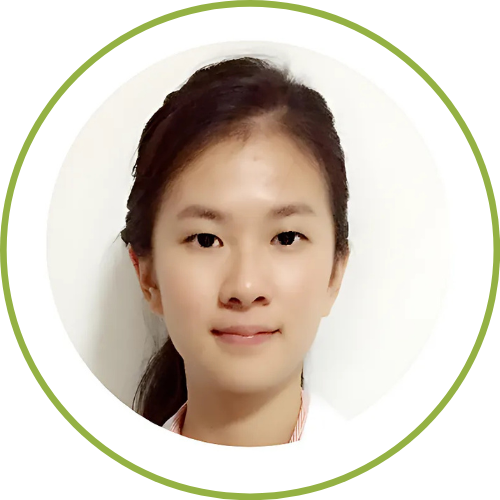
Dr. Joyce (PhD) is an experienced healthcare professional with over a decade of expertise in treating various women’s health conditions.
She specializes in managing conditions such as perimenopause, painful menses and fertility concerns, offering comprehensive care and support for women at different stages in their life.
The focus of Dr. Joyce’s PhD was for pain management using acupuncture. She is competent at treating migraines, chronic body aches, and acute injuries. She uses a mix of modern and traditional to manage pain.
Dr. Joyce is completing post-doc research on Chinese medicine for anxiety and sleep. Her diverse experience allows her to address many physical and emotional health challenges for women.
FAQs
1. What does a menopause hot flush feel like?
A menopause hot flush (or hot flash) feels like a sudden wave of heat that spreads over your body, often starting in the face, neck, or chest. It can cause redness, sweating, and sometimes a rapid heartbeat or dizziness. The sensation can last anywhere from a few seconds to several minutes.
2. How many hot flashes a day is normal during menopause?
The number of hot flashes varies from person to person. Some experience just a few per week, while others may have multiple episodes per hour. On average, women report having four to ten hot flashes per day, but some may experience more, especially during the early stages of menopause.
3. At what age do hot flashes start?
Hot flashes typically begin in the late 40s to early 50s, often during perimenopause (the transition before menopause). However, some women may experience them earlier or even after menopause.
4. What triggers a hot flash?
Common hot flash triggers include:
- Stress & anxiety
- Hot weather or warm rooms
- Spicy foods, caffeine, and alcohol
- Smoking
- Tight or synthetic clothing
Identifying personal triggers can help manage their frequency and intensity.
5. What are the 5 stages of menopause?
Menopause is generally categorized into these five stages:
- Pre-menopause – Normal reproductive years with regular menstrual cycles.
- Perimenopause – Hormonal fluctuations start, leading to irregular cycles and early menopause symptoms.
- Menopause – Defined as 12 consecutive months without a period, marking the official end of fertility.
- Early postmenopause – The first few years after menopause when symptoms may peak.
- Late postmenopause – Symptoms gradually subside, and long-term changes like bone loss become a focus.
6. What drink is good for menopause?
Several drinks can help manage menopause symptoms:
- Cold water – Helps with hot flashes and hydration.
- Soy milk – Contains phytoestrogens that may balance hormones.
- Herbal teas – Like black cohosh, red clover, and sage tea, which are known for hormone-balancing properties.
- Green tea – Supports metabolism and bone health.
7. What can be mistaken for hot flashes?
Hot flashes can sometimes be confused with:
- Anxiety or panic attacks (which also cause sweating and a racing heart)
- Thyroid issues (like hyperthyroidism, which can increase heat sensitivity)
- Hypoglycemia (low blood sugar)
- Certain medications (some antidepressants and hormone treatments)
8. How do I know if my hot flashes are menopause?
If you’re over 40 and experiencing sudden waves of heat, night sweats, and irregular periods, it’s likely menopause-related. However, if you’re younger or unsure, checking hormone levels with a doctor can confirm if menopause is the cause.
9. What is the average age of menopause?
The average age of menopause is 51 years old, but it can occur anytime between 45 and 55. Some women experience early menopause before 40 due to genetics, medical conditions, or surgeries like hysterectomy.
10. What is the Chinese herb for hot flashes?
Zhi Mu (Anemarrhena Rhizome) is one of the most commonly used Chinese herbs for hot flashes. It clears heat, nourishes Yin, and helps reduce internal heat sensations often experienced during perimenopause and menopause. Other supportive herbs include Bai Shao (White Peony Root), Dang Gui (Angelica sinensis), and Sheng Di Huang (Rehmannia Root)—typically used together in customized formulas like Zhi Bai Di Huang Wan to address Kidney Yin deficiency, a common cause of menopausal hot flashes in TCM. Always consult a licensed TCM practitioner for proper diagnosis and formulation.
11. What is the best TCM for perimenopause clinic in Singapore?
Soma Clinic SG is a leading TCM clinic for perimenopause and hormonal balance in Singapore. Dr. Joyce, a Ph.D. with over 10 years of experience in women’s health, expertly treats a wide range of conditions related to perimenopause, including hot flashes, mood swings, irregular periods, sleep disturbances, and fatigue. Her approach combines classical Chinese medicine diagnostics with modern therapeutic techniques such as acupuncture, herbal medicine, and craniosacral therapy.
Book in for a consultation now!
Quick Links
Explore

© Copyright 2023 All Right Reserved Soma Clinic